
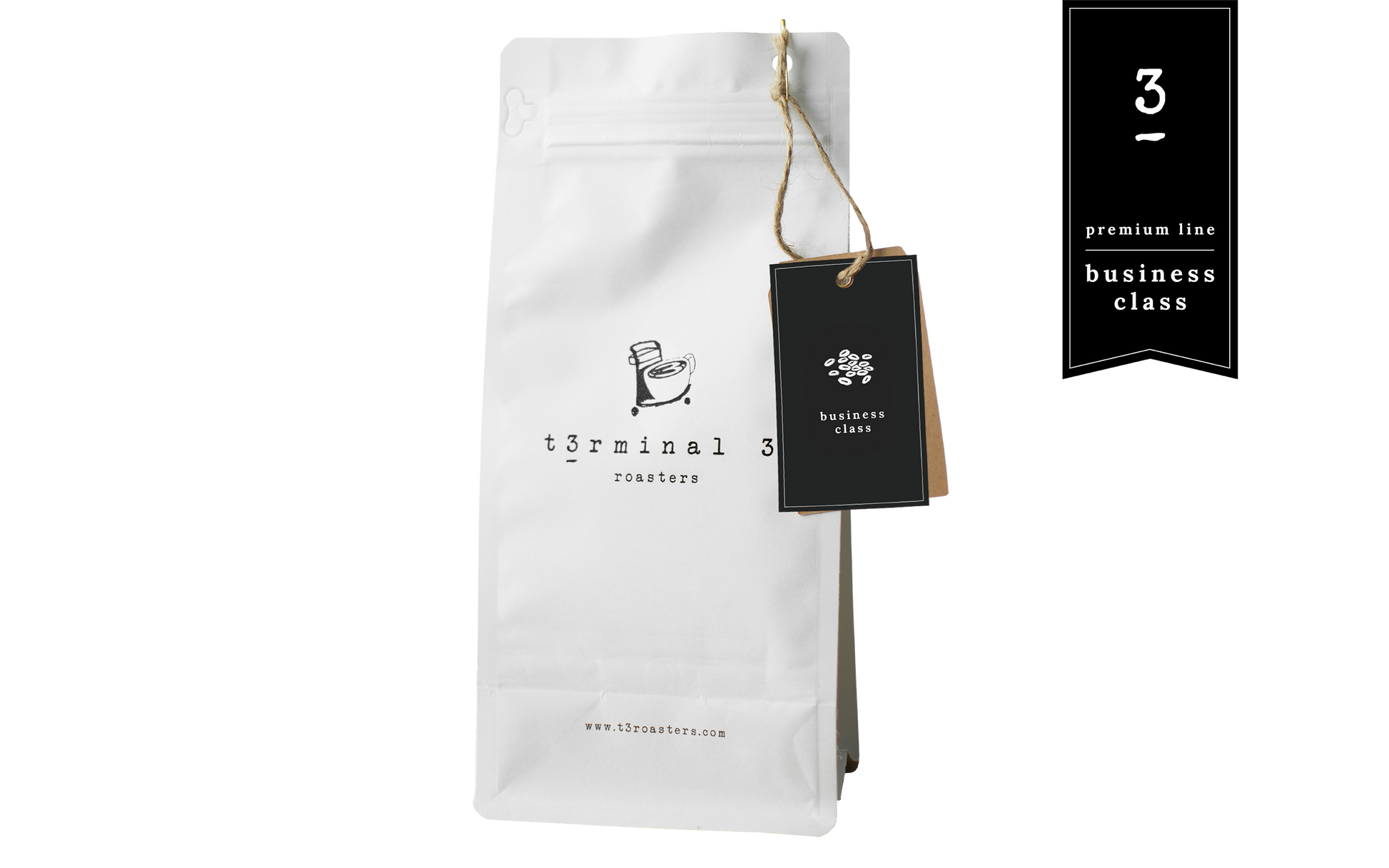

Indonesia - Frinsa Estate Lactic Natural
Indonesia - Frinsa Estate Lactic Natural
Couldn't load pickup availability
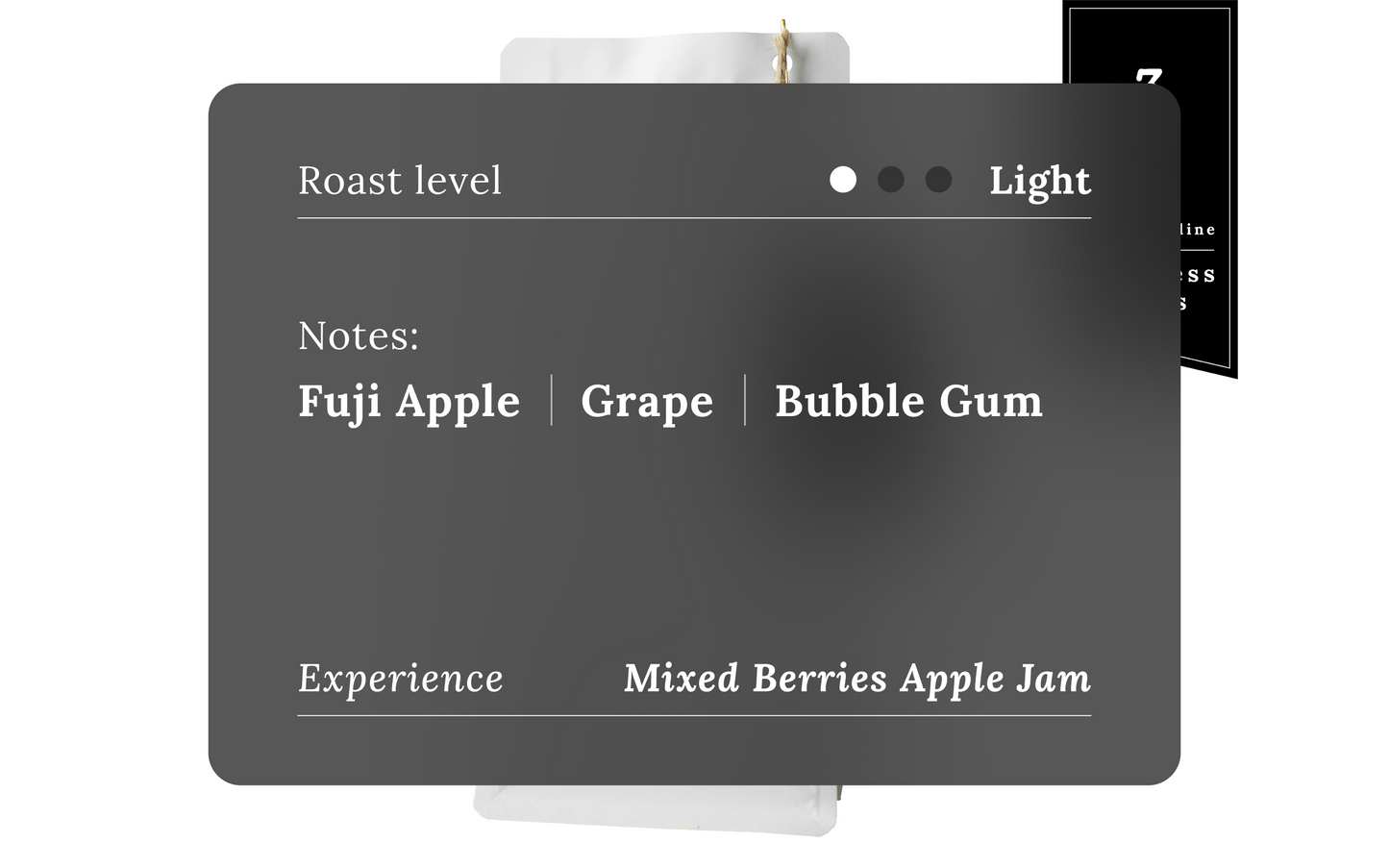
- Light Roast
- Indonesia, West Java
- P88, Bor Bor, Sigarar Utang, Andung Sari - Lactic Anaerobic
- 1400 -1700 Meters Above Sea Level
- Fuji Apple, Grape, Bubble Gum – Mixed Berries Apple Jam
- 340g | 12oz
- Pourover, Espresso, Drip, French Press
Acidity ◉ ◉ ◉ ○ ○ Body ◉ ◉ ◉ ○ ○
Sweetness ◉ ◉ ◉ ◉ ○ Aftertaste ◉ ◉ ◉ ◉ ○
Please note: Pre-ground coffee beans can quickly lose their freshness, resulting in a notable decrease in aroma and flavor. For this reason, we do not offer a grinding service. We strongly encourage our customers to grind their coffee beans just before use for the best experience.
Products may be subject to import duty fees depending on the destination and country specific rules. Terminal 3 does not take responsibility for any import duty fees.
View full details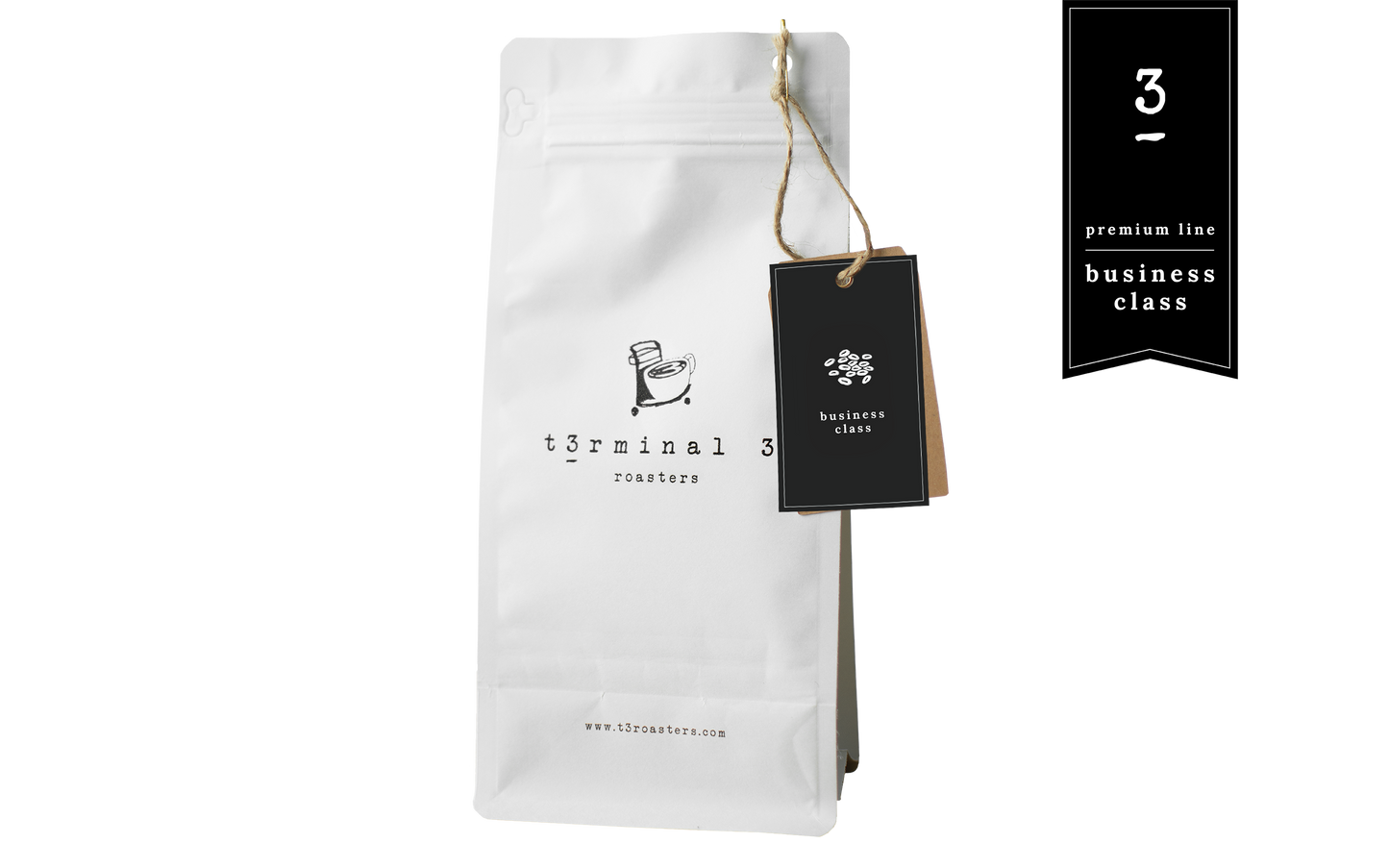
Terminal 3 at Home
Brewing Recipes
V60 Style
Water Temperature → 92 °C
Grind Size → 1200 μm (Medium Coarse)
Dry Dose → 18g
Water Ratio → 1:16
Water → Third Wave Water - Classic Light Roast Profile
Brewing Strength → TDS 1.46
Pouring Method
Bloom - 0:00 - 40g
First Pour - 0:40 - 130g
Second Pour - 1:15 - 200g
Third Pour - 2:00 - 288g
Total Brewing Time → 2:30 min
Flat Bottom
Water Temperature → 92 °C
Grind Size → 1200 μm (Medium Coarse)
Dry Dose → 19g
Water Ratio → 1:16
Water → Third Wave Water - Classic Light Roast Profile
Brewing Strength → TDS 1.50
Pouring Method
Bloom - 0:00 - 45g
First Pour - 0:40 - 120g
Second Pour - 1:15 - 200g
Third Pour - 2:15 - 305g
Total Brewing Time → 2:50 min
About the bean
Frinsa Estate is located in West Java, in the region locally known as Sunda, at an altitude of around 1,400 MASL. The estate is fully equipped with a wet mill, well-ventilated storage facilities, and a dry mill, allowing complete control over the coffee from harvest through to grading, sorting, and export. Coffee is grown across six main plots, and additional cherries are sourced from carefully selected nearby producers, with these lots released under the Frinsa Collective name.
After harvesting, cherries are hand sorted to remove unripe or defective fruit, then washed to eliminate dirt and surface contaminants. A lactobacillus culture is introduced before the cherries are sealed in plastic bags or barrels for anaerobic fermentation. During this stage, the containers are rotated daily and gases are released before being resealed, with fermentation lasting two to three days. Following this, the cherries are pre-dried on raised beds in greenhouses, then moved to patios to complete drying. Depending on weather conditions, the total drying time typically ranges from 14 to 20 days.